Self-Care Isn’t Another Thing to Do…It’s How You Relate to Yourself
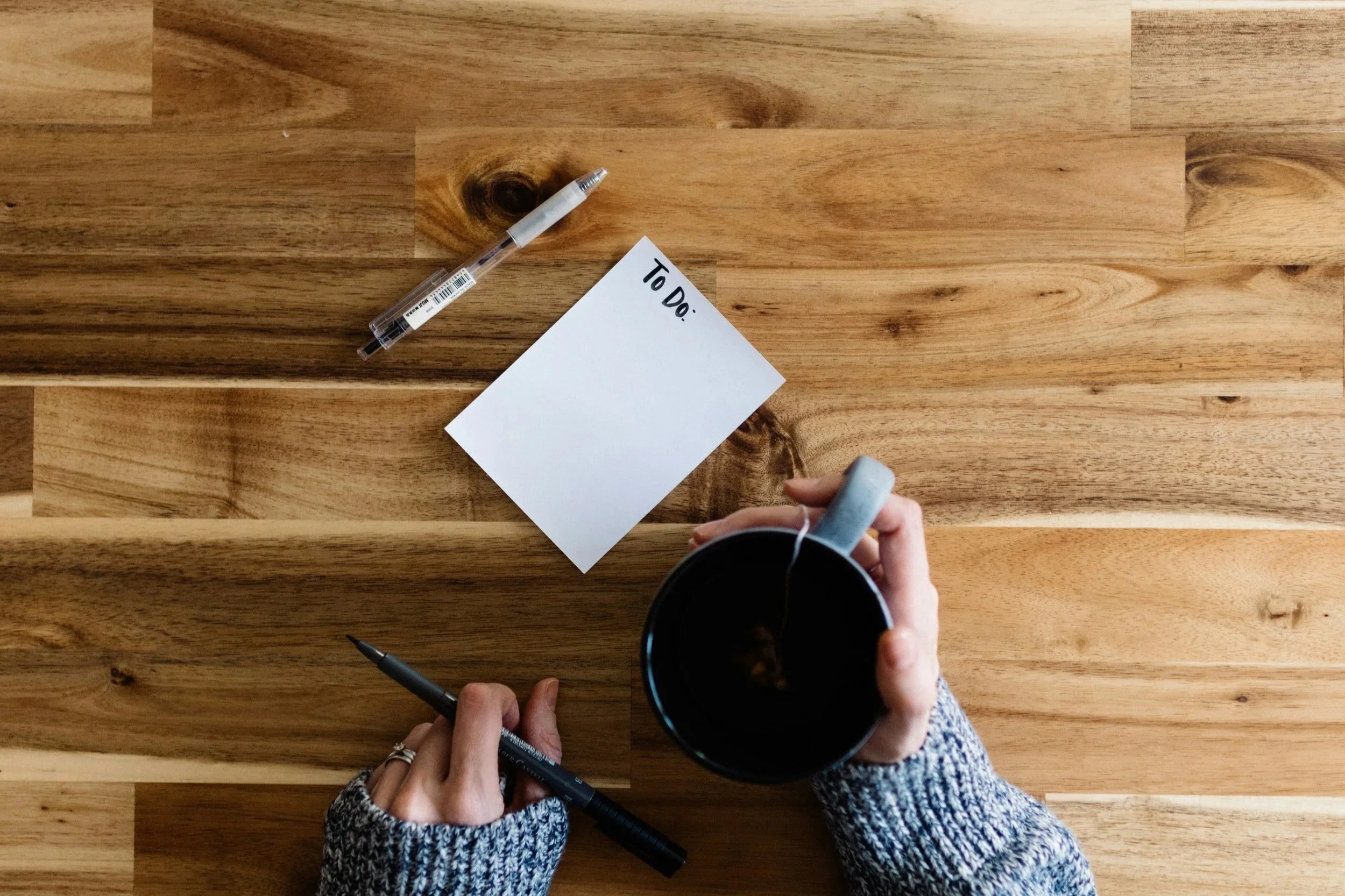
Does self-care feel overwhelming right now?
With the constant stream of messages, videos, and posts on social media telling you what you should be doing — meditate this way, journal every day, follow this routine, add that habit — self-care can quickly start to feel heavy instead of supportive.
Suddenly, it becomes another mental load. You start thinking: “I have to do this.” “I have to remember to do that.” “If I want to feel better, I need to follow all these steps…”
And that’s where self-care quietly turns into pressure — which is the opposite of what it’s meant to be.
True self-care isn’t about doing more. It’s about how you relate to yourself in each moment–in the present. It’s rooted in self-compassion and healing, not in checking off another task.
When self-care starts to feel like an obligation, it’s often a sign that we’ve lost touch with our own needs.
Self-Care as a Relationship, Not a Checklist

Self-care was never meant to be another item on your to-do list, something you have to complete perfectly every single day. Its purpose is to support you — to help you feel more grounded, regulated, and resourced — not to exhaust you.
When self-care starts to feel heavy or draining, that’s usually a sign to pause and step back.
Our needs are not static. They shift with the seasons, with our energy levels, and with our emotional and spiritual cycles. When a routine starts to feel overwhelming, it’s often because it no longer matches where you are.
Sometimes the most supportive thing you can do is to stop trying to do self-care and simply allow yourself to rest. To refill by doing nothing at all.
Self-care should never be detrimental to your mental health or your daily life. It’s meant to be something you add because it feels nourishing, not something you force because you think you should. Feeling better is the point — not keeping up with an ideal version of yourself.
In the self-care and healing space, it’s easy to absorb the message that you need to follow specific practices in order to be taking care of yourself. Meditate daily. Journal consistently. Stick to a morning and evening routine. And if you’re not doing all of it, it can start to feel like you’re falling behind.
But life is busy. Energy shifts. Capacity changes. Whatever you are able to do to care for yourself in this season counts. Not doing everything you see online does not mean you’re failing. It means you’re human.
Sometimes the shift is small.
Maybe journaling feels heavy, and what you actually need is a quiet cup of tea. Maybe your body needs more rest, so you wake up later instead of forcing an early morning practice. Perhaps movement becomes gentler, and meditation shifts into simply sitting in silence for a few moments.
Self-care as a relationship with yourself is rooted in kindness and honesty. It’s about listening instead of demanding, adjusting instead of judging. When you take the pressure off and meet yourself with gentleness, you create space for healing through self-compassion.
Examples of Non-Performative Self-Care:
Taking a few slow breaths before responding instead of reacting
Allowing yourself to change your mind without guilt
Doing one small thing and letting that be enough for the day
Not spiritualizing your pain and simply acknowledging that something hurts
Choosing silence over explaining yourself
Letting the house be messy when rest matters more
Drinking water because your body asks for it, not because it’s part of a routine
Cancelling plans when your energy is depleted, even at the last minute
Taking breaks from healing practices when they start to feel like pressure
Listening to your body’s yes and no without negotiating with it
Feeling emotions without needing to analyze or understand them right away
Receiving support without feeling like you need to earn it
Allowing joy without questioning whether you’ve done enough to deserve it
Doing self energy healing intuitively instead of following a strict protocol
Letting healing be slow and nonlinear
Energy Healing as Self-Listening and Compassion

This way of approaching self-care naturally connects with energy healing.
Healing begins with kindness toward yourself. Before techniques, before routines, before any modality, healing starts with the way you speak to yourself and the level of compassion you allow yourself to receive.
In energy healing, self-care is deeply connected to self-listening. It’s the practice of noticing what’s happening inside you — emotionally, energetically, and physically — without immediately trying to fix it. Self-compassion means meeting those inner experiences with understanding and acceptance, rather than judgment.
Emotions are Energy in MOTION. When we experience something intense or overwhelming and don’t feel safe or able to process it in the moment, that energy doesn’t simply disappear. It can remain stored in the body. Over time, unprocessed emotions may show up as tension, fatigue, emotional heaviness, or physical discomfort.
This is why feeling your feelings, when possible, matters. Allowing emotions to move through you in the moment helps prevent them from becoming stuck. This doesn’t mean forcing yourself to process everything immediately, but rather giving yourself permission to acknowledge what you’re feeling with compassion.
There are times when feeling everything right away isn’t accessible — especially during trauma, major life events, or periods of emotional overwhelm. In those moments, support matters.
Working with an energy healer, such as through Reiki or Integrated Energy Therapy, can help release stored emotional energy. Self energy healing practices can also support this process in a way that feels safe and attuned to your body.
Energy healing, at its core, is not about pushing yourself to heal faster. It’s about listening, allowing, and responding with care. When self-care is rooted in self-compassion and healing, it becomes less about doing and more about being present with yourself — exactly as you are.
Coming Home to Yourself

At its core, self-care is not something you need to master or perfect. It’s a relationship you build — moment by moment — through self-listening, self-compassion, and honesty about what you truly need.
When you stop treating self-care like another obligation and start relating to yourself with kindness, things soften. Routines become flexible. Healing becomes more embodied. You begin to trust your inner signals instead of outsourcing your worth or well-being to checklists, trends, or expectations.
Energy healing invites you back into this relationship with yourself. Through practices like Reiki, Integrated Energy Therapy etc., you are gently supported in releasing what no longer needs to be held, reconnecting with your body, and creating space for emotions to move with compassion rather than resistance. Healing doesn’t ask you to push harder — it asks you to listen.
Coming home to yourself means allowing self-care to meet you where you are. It means prioritizing presence rather than pressure, kindness rather than control, and connection rather than perfection. From that place, healing becomes less about doing and more about being with yourself — fully and honestly.
If you feel called to deepen your relationship with yourself, you’re invited to book an Energy Healing session, or to join one of the upcoming healing events listed on my website. These spaces are designed to support you in slowing down, reconnecting, and returning to yourself with care.
Now is the time to give yourself the space to soften, listen, and return to what truly supports you.
With care,
Liz xxx
SOURCES:
Psychology Today, “Why Does Self Care Sometimes Feel So Hard?” Alicia Clark, Psy.D. https://www.psychologytoday.com/ca/blog/hack-your-anxiety/202002/why-does-self-care-sometimes-feel-so-hard
Firefly Therapy Austin, “Creating and Maintaining Routines - Why Is It So Hard?” https://www.fireflytherapyaustin.com/creating-and-maintaining-routines-why-is-this-so-hard/
Calm and Confident Mind, “The Vital Role of Comapssion and Kindness in Reiki: Nurturing the Heart of Healing”, Carrie Mason https://www.calmconfidentmind.com/blog/read_205777/the-vital-role-of-compassion-and-kindness-in-reiki-nurturing-the-heart-of-healing.html