Are You Overstimulating Your Energy Field Before Bed?
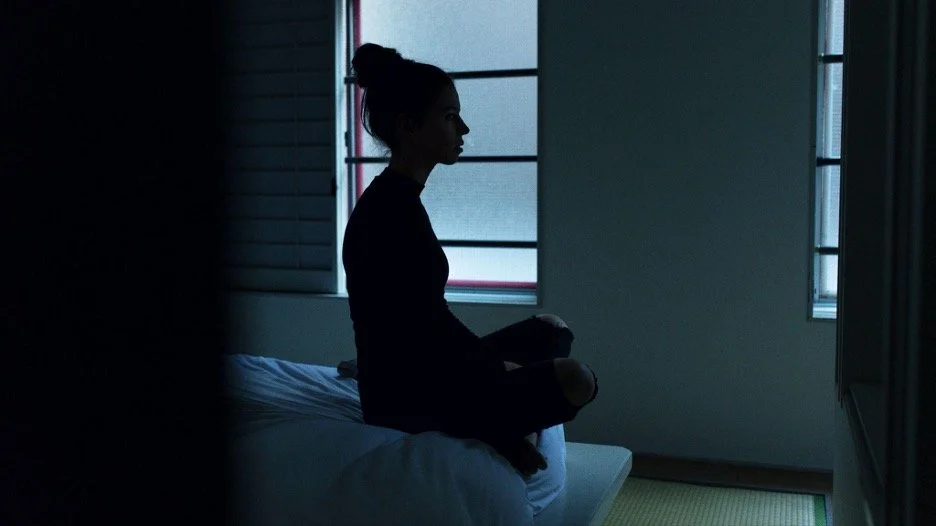
Let’s be honest for a moment. What does your bedtime routine actually look like?
Maybe you scroll your phone for a few minutes before sleep. Maybe you listen to healing frequencies, watch videos, journal, or open a meditation app to wind down. Many people on a healing or spiritual path genuinely want to support their well-being at night. These tools often come from a good place — a desire to relax, release the day, and prepare the mind for rest.
But here’s a question worth asking: are we truly helping our nervous system relax, or accidentally overstimulating it?
In today’s world, digital overstimulation before bed has become very common. Our brains process constant input: notifications, sounds, videos, and scrolling — right up until the moment we try to sleep. Over time, this can leave the body with an overstimulated nervous system at night, making it harder to fall asleep, stay asleep, or wake up feeling restored.
Research Reflects this Pattern
In a survey of 45,202 young adults in Norway, scientists found that using a screen in bed increased the risk of insomnia by 59% and reduced sleep time by about 24 minutes. The effects of phone use on sleep quality are linked to several factors: notifications disrupting rest, stimulating content keeping the brain alert, and blue light and insomnia from phones delaying the body’s circadian rhythm.
There are also growing conversations about the health risks of sleeping next to your phone, including light exposure, mental stimulation, and potential EMF exposure while sleeping.
Sleep plays a critical role in mental and physical health, yet many of us unknowingly make it harder for the body to enter deep rest.
This is where energetic awareness becomes important. When the mind and nervous system stay stimulated late in the evening, the energy field also struggles to settle. Instead of naturally winding down, the body remains subtly alert.
Practices like Reiki offer a gentler approach. Rather than adding stimulation, Reiki helps calm the nervous system and calm the energy field before sleep, allowing the body to return to its natural rhythm of rest and restoration.
So the real question becomes: what are we feeding our nervous system before bed: stimulation, or stillness?

Signs Your Nervous System Is Overstimulated at Night
Many people assume that if they feel tired, sleep should come easily. But when the nervous system is overstimulated, the body can feel exhausted and alert at the same time.
This is increasingly common in a world where many people experience nervous system overload from social media, constant notifications, and digital stimulation throughout the day.
Often, people don’t recognize the signs right away. Instead, they assume something is wrong with their sleep, when in reality their nervous system simply hasn’t had enough time to slow down.
Here are a few common signs:
You feel tired but wired: your body feels exhausted, yet your mind stays active when you lie down.
You have difficulty falling asleep even when you’re tired: your nervous system is still processing stimulation from the day.
You wake up during the night: an overstimulated nervous system can make sleep lighter and more fragmented.
Your thoughts race at bedtime: the mind begins replaying conversations, planning tomorrow, or worrying.
You wake up feeling drained: when the nervous system stays active during the night, the body struggles to enter deeper restorative sleep cycles.
For many people, these patterns are connected to bedtime scrolling and anxiety. The brain continues absorbing information right before sleep, keeping the nervous system in a state of alertness instead of rest.
The good news is that the nervous system is highly responsive. When we create space for quiet and mindful tech use at night, the body can gradually return to a healthier rhythm of rest.
Is Listening to Frequencies Before Bed Helping or Overstimulating You?
Many people use healing frequencies at night to relax. Soft sounds, meditation music, or binaural tones can help the body slow down and signal that it’s time to rest.
In many cases, these sounds can support the transition into sleep. They may quiet the mind, release tension from the day, and create a calming environment.
However, it’s worth asking another question: what happens when the audio keeps playing all night?
Even while we sleep, the brain continues to process sound. When frequencies or music loop for hours, the mind may remain subtly active instead of moving fully into deeper rest. For some people, this can keep the nervous system slightly stimulated throughout the night.
This doesn’t mean frequencies are harmful. They can be helpful when used intentionally. The key is understanding how and when to use them.
Why the Body Needs Silence to Move Into Deeper Sleep Cycles
Deep sleep naturally happens in cycles, and these cycles rely on a calm environment.
While we sleep, the brain still processes sound in the background. If audio plays continuously, the nervous system continues receiving information. Even if we are not consciously aware of it, the brain remains engaged.
Silence allows the body to settle more fully. In quiet environments, the nervous system can integrate the day’s experiences and move more easily into deeper restorative sleep stages.
A simple approach is to use frequencies to fall asleep, then allow the room to return to silence.
Gentle practices like Reiki for sleep and relaxation follow the same principle. Rather than adding stimulation, Reiki helps calm the nervous system and settle the body’s energy so the body can rest naturally.

Reiki for Nervous System Regulation Before Sleep
One gentle way to support the body before sleep is through Reiki.
Reiki helps activate the parasympathetic nervous system: the part of the body responsible for rest, repair, and relaxation. As this system activates, the breath deepens, the mind softens, and tension from the day begins to release.
This is why many people find Reiki for better sleep so supportive. Instead of adding more stimulation, Reiki helps the body return to balance.
Throughout the day we absorb stress, emotions, and constant stimulation. Reiki helps release some of this energetic buildup, supporting Reiki for nervous system regulation and calming the energy field before sleep.
As the body relaxes, it becomes easier to move into deeper restorative rest.
A Simple Self-Reiki Practice Before Bed
You can try a short self-Reiki practice before going to sleep.
Once you are lying comfortably in bed, place your hands gently on your body and allow your breath to slow down.
Simple hand positions for sleep include:
Hands over the heart
Hands on the solar plexus
One hand on the heart and one on the lower belly
Stay in each position for a few minutes, breathing slowly and allowing your body to soften.
My Simple Nighttime Routine
I like to keep my nighttime routine very simple:
Leave my phone charging downstairs
Take a warm bath
Get into bed and practice self-Reiki
And then…an awesome sleep!
Sometimes the most powerful thing we can offer our nervous system before bed is simply quiet, presence, and energetic support.
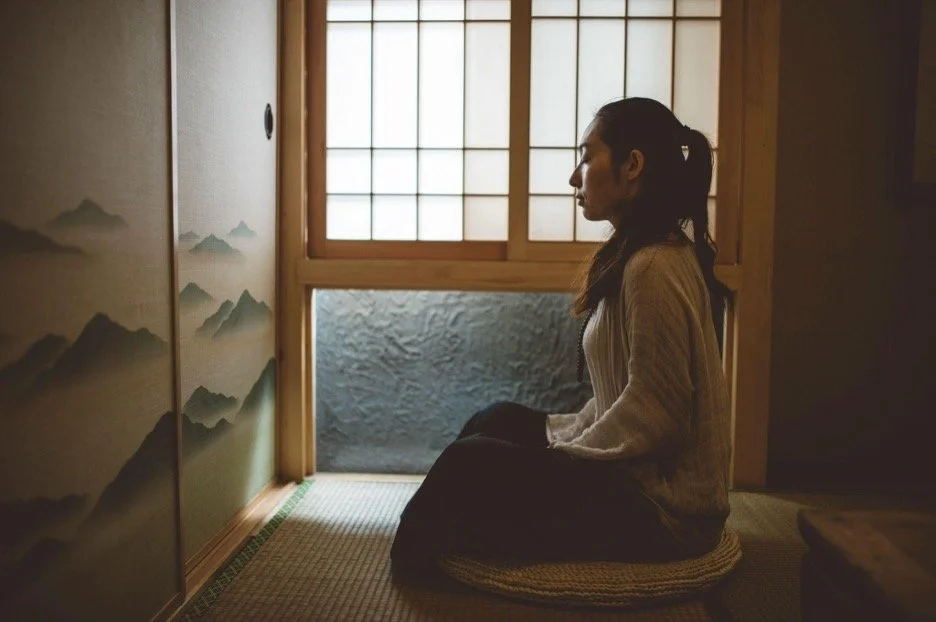
Less Stimulation and More Stillness
Sleep is more than physical rest. It is a time when the body, mind, and energy field integrate everything from the day.
For this process to happen fully, the nervous system needs quiet and a sense of safety. When the environment is calm and the mind is not constantly stimulated, the body can naturally move into deeper restorative sleep cycles.
Sometimes, in the search for healing, we add more tools, more sounds, and more practices. But healing does not always require more.
Often, it simply requires less stimulation and more stillness.
By creating a peaceful bedtime routine and supporting the body with gentle practices like Reiki, we give our system the space it needs to reset and restore.
The most important guide is always your own body and energy.
Listen to what helps you truly relax, and allow your nights to become a space of deep rest and renewal.
If this resonates with you, there are a few ways to explore this work more deeply.
You can book a Reiki session to support nervous system regulation, deep relaxation, and better sleep.
And if you feel called to go further, you can explore Reiki training to learn powerful self-healing practices.
Sometimes the most powerful step is simply giving your body the space it needs to rest, reset, and reconnect.
With love and peace,
Liz xxx
Sources:
Jikiden Reiki with Shaun Mckeown, “5 Ways Reiki Can Improve Your Sleep”, Shaun Mckeown https://shaunmckeown.com/reiki-articles/5-ways-reiki-can-improve-your-sleep
PureWow, “I Watched the First Episode of Netflix’s New Sleep Guide Series—Here’s What I Learned”, Alexandra Hough https://www.purewow.com/entertainment/headspace-guide-to-sleep-netflix
Frontiers, “One hour’s screen use after going to bed increases your risk of insomnia by 59%, scientists find”, https://www.frontiersin.org/news/2025/03/31/hours-screen-use-after-bed-increases-insomnia-risk-frontiers-psychiatry
Biron B, “How does mobile device use affect my sleep?”, Dr Pierre Mayer, https://www.biron.com/en/education-center/specialist-advice/smartphones-sleep/
Manse Medical, “Is It Bad To Sleep Next To Your Phone?“, Manse Medical, https://www.mansemedical.com.au/sleeping-next-to-phone-impact-effect/#:~:text=The%20evidence%20is%20clear:%20sleeping,leading%20to%20poor%20sleep%20quality.